
Yes, raccoons can be trapped and relocated, but it’s important to do it the right way. If you have a raccoon problem, using a live trap is the best method. These traps are designed to catch the raccoon without harming it. Make sure to check the trap frequently to avoid stressing the animal.
However, it’s crucial to follow local laws and regulations regarding trapping and relocating wildlife. In some areas, it’s illegal to relocate raccoons because they can spread diseases and may not survive well in new locations. Instead, local wildlife experts might suggest a different solution or relocation program.
If you decide to trap a raccoon, it’s a good idea to contact a wildlife removal professional. They can ensure the process is done humanely and help you with the relocation. Professionals also know the best places to release the raccoon, where it can find food and shelter safely.
Additionally, preventing raccoons from getting into your home is important. Secure trash cans, close off entry points to your attic or basement, and avoid leaving pet food outside. This helps keep raccoons away and reduces the need for trapping and relocation.
Laws on trapping and relocating raccoons vary by location. In many areas, it’s legal to trap raccoons, but relocation might be restricted due to concerns about spreading diseases. Always check with local wildlife authorities to understand the regulations in your area. Need to have raccoon trapping or relocating? Schedule an appointment today. Check local regulations in Tennessee here.
Latest Wildlife Removal Resources
Updated August 20, 2024
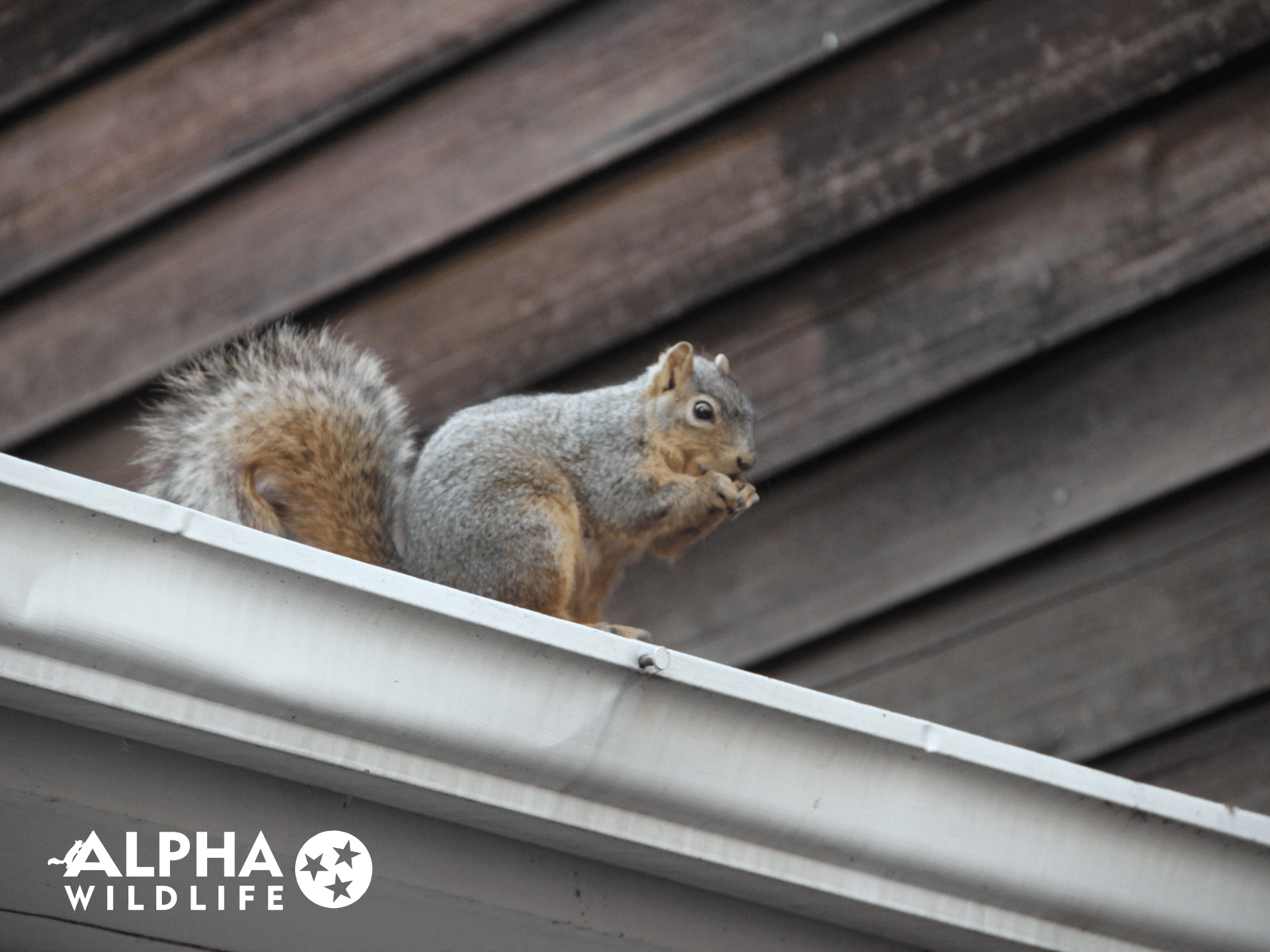
10 Ways to Stop Squirrels Chewing on Your Home
At Alpha Wildlife, we know how frustrating it can be to deal with squirrels chewing on…
Updated August 1, 2024
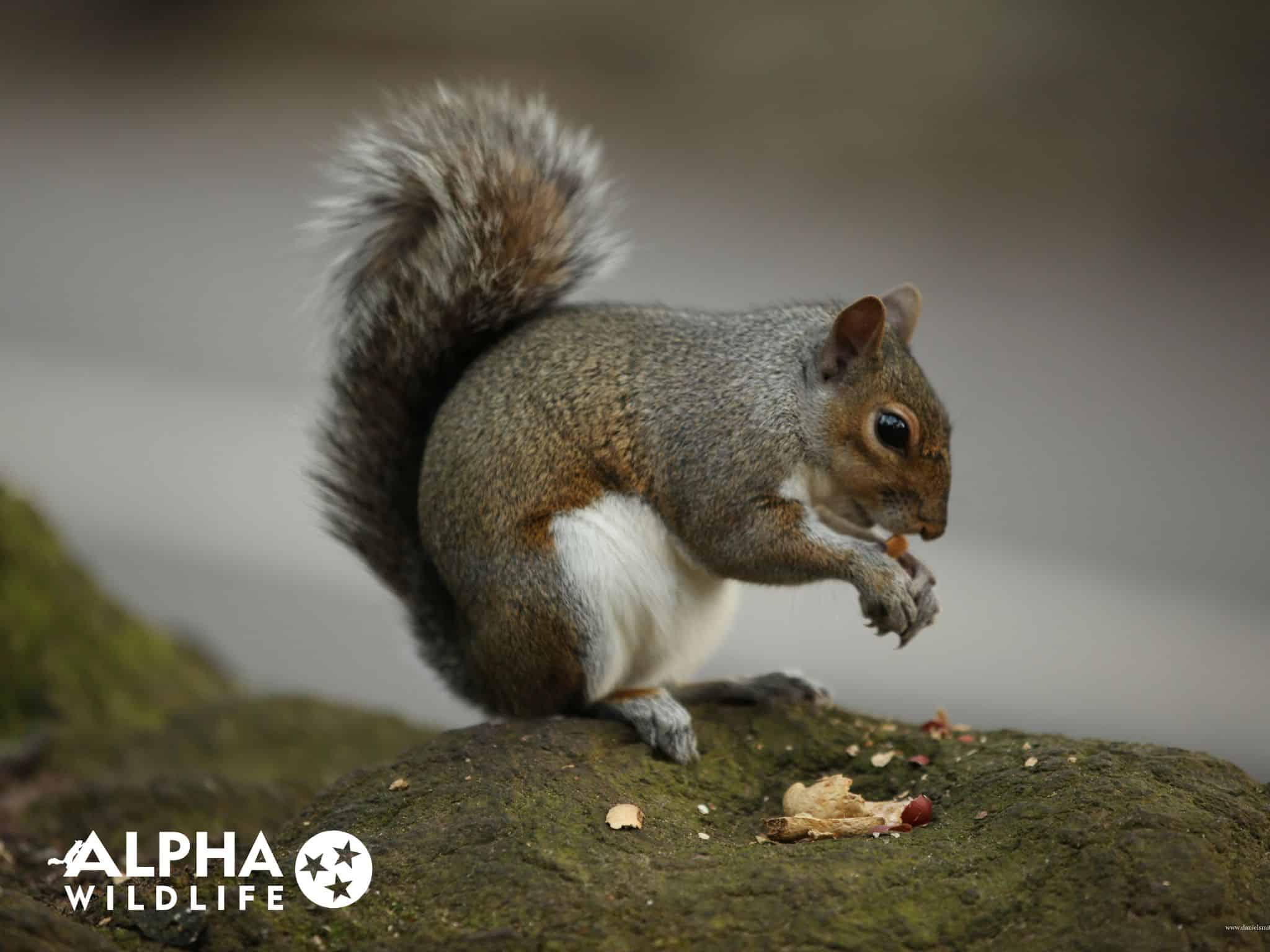
What Do Squirrels Eat in My House?
Squirrel Feeding Habits Indoors: What Do Squirrels Eat in My House? When squirrels find their way…
Updated July 31, 2024
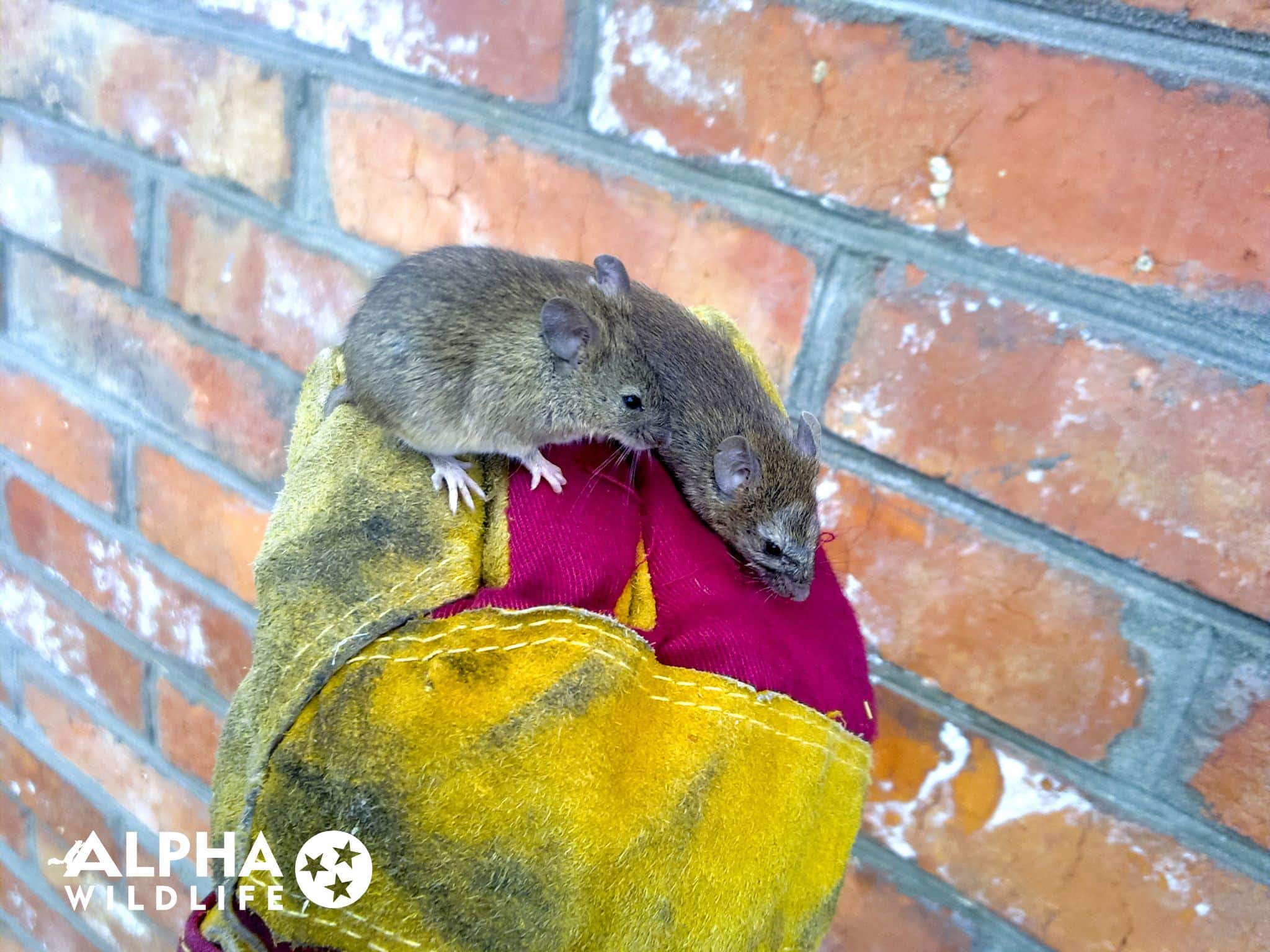
Health Risks Associated with Mice Infestations In Nashville
Understanding the Dangers of Mice Infestations In Nashville Mice infestations can be more than just a…